



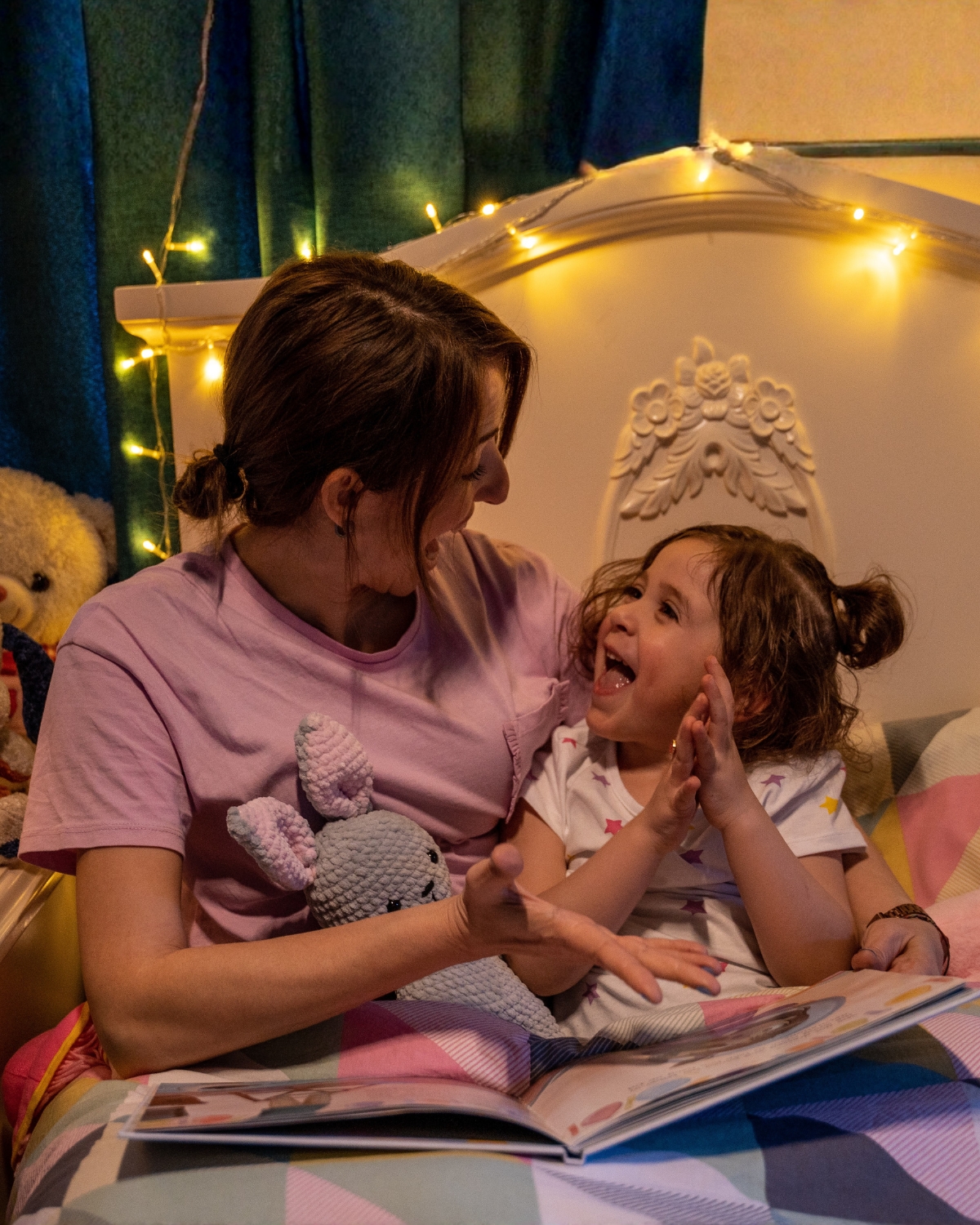
Unlocking Your Child’s Heart Helping Them Express Emotions
As parents, grandparents, or even close relatives, we constantly yearn to understand our children and connect with them on a deeper level. But what if your child understands every word you say in Arabic, yet struggles to express their own feelings or articulate them verbally? This situation can be perplexing and concerning, leaving caregivers unsure how to bridge emotional and linguistic communication gaps. A child’s inability to express their emotions can significantly impact their self-confidence and their social and emotional development.
In this article, we’ll explore practical and loving strategies to help your child open their heart and voice, enabling them to express their inner world with fluency and comfort. We’ll delve into creating a supportive environment, utilizing innovative tools, and discover how Kitabyana can become an integral part of this inspiring journey, transforming challenges into opportunities to strengthen family bonds and offer unforgettable gifts.
Understanding Body Language and Non-Verbal Cues
Before your child can express themselves with words, they often use body language and non-verbal cues to communicate their feelings. Pay close attention to their facial expressions, body movements, tone of voice (even if it’s just sounds), and how they play. Do they seem tense? Joyful? Angry? When you notice these signals, you can name the feeling for them, such as: “I see you’re very happy right now!” or “Are you feeling upset?” This helps them connect the feeling with the word, even if they can’t articulate it yet.
Creating a Safe and Encouraging Environment for Expression
Children need to feel safe and accepted to express themselves freely. Dedicate time daily to sit with your child and listen to them without interruption or judgment. Make them feel that all their emotions, whether positive or negative, are acceptable and understood. Encourage them to use gestures or point to pictures to convey what’s on their mind. This supportive environment can be the initial spark that opens channels of communication.
Using Art and Play as a Means of Expression
Play is a child’s first language. Use drawing, coloring, clay, or even puppets to represent different emotions. Ask your child to draw how they feel today, or to choose a puppet that expresses their anger. These activities provide a powerful non-verbal outlet for emotions, helping them process and understand their feelings. This can also be a wonderful opportunity for you to interact with them and ask about the stories of the characters they’re playing with.
The Importance of Reading and Stories in Language and Emotional Development
Stories are magical windows into the world of emotions and language. When you read to your child, you’re not just exposing them to words, but also to situations and characters experiencing various feelings. Choose stories that address emotions like joy, sadness, anger, and fear. Discuss the characters’ feelings with them: “How do you think the bear felt when he lost his honey?” This helps them build an emotional vocabulary and understand that feelings are a natural part of life. Kitabyana’s personalized books, where your child is the hero, uniquely enhance this connection.
Positive Role Modeling: Express Your Emotions First
Children learn by observation and imitation. Be a good role model in expressing your emotions in a healthy way. When you feel happy, say: “I’m so happy today!” And when you feel frustrated, say: “I feel a bit frustrated right now; I’m going to take a deep breath.” This teaches them that naming feelings is natural and acceptable, and provides them with a model for how to deal with them.
Patience and Perseverance: The Journey of Expression Takes Time
Developing the ability to express emotions and language takes time and effort. Be patient and persistent. Celebrate every small step your child takes, whether it’s a new gesture, a single word, or even an attempt to express a feeling. Remember that every child is unique and develops at their own pace. Continue to provide unconditional support and love, and you will see results over time.
Browse Our Story Personalized Recommendations
- When is Storytime, Mom? – A Wonderful Story Gift for Mother’s Day, Appreciation for Mom, Family Occasions
- When is Storytime, Dad? – A Wonderful Story Gift for Father’s Day, Appreciation for Dad, Family Occasions
- My Magical Wardrobe – A Wonderful Story Gift for Encouragement Gift, Family Occasions, “You Are Special” Gift
- A Present with a Secret Code – A Wonderful Story Gift for Child’s Birthday, Quran Memorization Achievement, Beginning Prayer, Hijab Milestone, Motivational Gift, “You Are Special” Gift
Conclusion
Helping your child articulate their feelings is one of the most profound gifts you can offer them. It’s a journey that builds resilience, fosters self-awareness, and strengthens the unbreakable bond between you. By understanding their non-verbal cues, creating a nurturing environment, and embracing creative outlets like art and play, you lay a robust foundation for their emotional intelligence. The power of storytelling, especially through personalized books from Kitabyana, further amplifies this process, allowing children to see themselves as heroes navigating a world of emotions.
Remember, patience is paramount. Every giggle, every frown, every hesitant word is a step forward in their unique developmental path. Celebrate these small victories and continue to model healthy emotional expression. Ultimately, this investment in their emotional literacy will equip them with invaluable life skills, enabling them to navigate challenges, build meaningful relationships, and thrive. Consider a personalized Kitabyana book as a truly special gift that not only entertains but also empowers your child to explore and express their inner world, creating cherished memories and fostering a lifelong love for reading and self-discovery. These books are more than just stories; they are keepsakes that celebrate your child’s individuality and the enduring love of family.