



In today’s fast-paced, interconnected world, many parents face a significant challenge: how do we encourage our children to speak Arabic with pride and confidence? Some may notice their children leaning towards other languages or feeling shy about speaking Arabic in front of peers. This feeling, though seemingly minor, can impact a child’s connection to their cultural and linguistic identity. Language is more than just a means of communication; it’s a vessel for culture, history, and the stories that have shaped generations. So, how do we instill this deep pride in our mother tongue in our little ones, making them cherish every letter and word? It requires more than just teaching; it demands building a positive and stimulating experience that makes Arabic an integral part of their beautiful world.
Why Do Children Hesitate to Speak Their Mother Tongue?
Children’s hesitation towards speaking Arabic can stem from several factors. In some environments, English or other languages might be dominant in school or among friends, making a child feel that Arabic is “different” or “less important.” Additionally, a lack of engaging, high-quality Arabic content can diminish a child’s interest. If Arabic books, films, and games don’t match the quality a child sees in foreign content, they will naturally be drawn to what is more captivating and appealing. This doesn’t mean the child rejects their language, but rather that they seek the best experience that stimulates their curiosity.
Quality First: The Key to Attracting Children to Arabic
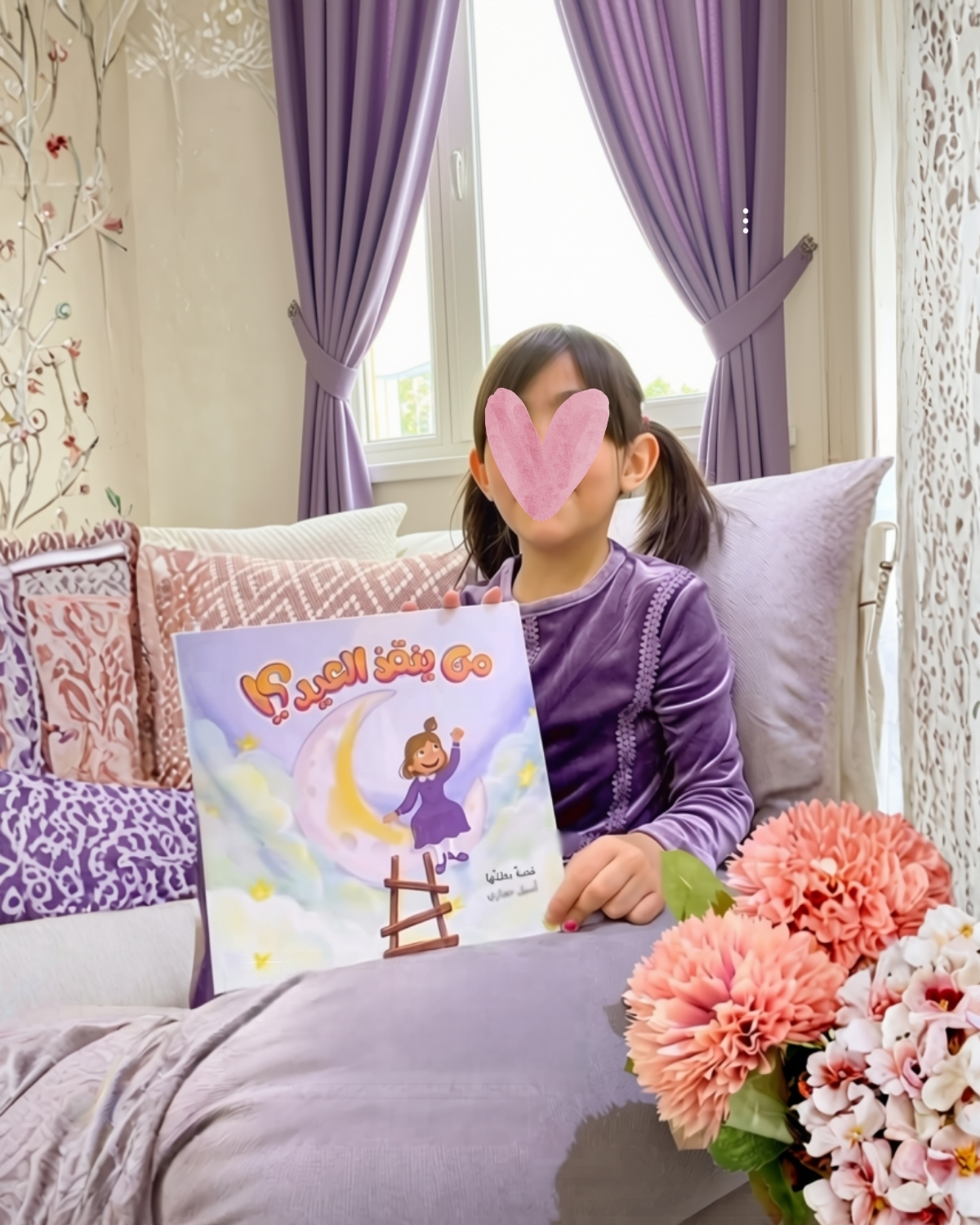
One of the most crucial steps to drawing children to the Arabic language is offering content that rivals the best available globally. Children today have sophisticated visual tastes and can distinguish between well-crafted and ordinary work. When a child picks up an Arabic book with dull illustrations, poor printing, or a weak story, they quickly lose interest. Conversely, when they see an Arabic book with vibrant colors, professional illustrations, high-quality paper, and a captivating story, they feel appreciation and attraction. This visual and substantive quality sends a clear message to the child: “Your language is beautiful, important, and deserves the best.” It fosters a sense of pride that what they hold reflects the value of their language.
Personalized Stories: Their Gateway to the Arabic Language
Imagine your child opening a book to find themselves as the main hero of the story, or seeing their family members’ names woven into its events. This type of personalized story creates a unique, unforgettable experience. At Kitabyana, we believe that making the child the center of the story is the most powerful way to connect them with the Arabic language. Our stories are not only distinguished by high-quality illustrations and printing that rival the best foreign books, but they are also meticulously written by professional writers and educators. This blend of visual quality and personalized educational content ensures that children feel Arabic is their own language—a language of adventures and heroes—instilling in them a deep sense of pride and connection.
Building Self-Confidence Through Dialogue and Play
It’s not just about books; daily conversation and play in Arabic play a pivotal role in building a child’s self-confidence. Dedicate time for storytelling in Arabic, whether it’s tales from heritage, stories about your day, or simply describing what you see around you. Use language games like puzzles, singing, or acting out stories. When a child sees Arabic as a language of joy, fun, and warm family communication, they will embrace it with love and confidence. Encourage them to express their thoughts and feelings in Arabic without fear of mistakes, as every attempt is a step towards mastery.
Good Role Models: Parents as Arabic Language Ambassadors
You, as parents, grandparents, and caregivers, are your children’s primary role models. When you speak Arabic with pride and confidence and use it in your daily lives, you send a powerful message to your children. Read Arabic books in front of them, listen to Arabic songs, and watch Arabic programs with them. Make Arabic a natural and beloved part of your family’s fabric. When a child sees their mother tongue as the language of joy, laughter, and beautiful stories shared with loved ones, they will gain unwavering strength and confidence from it.
Celebrating the Language: Activities and Events
We can also create a celebratory environment for the Arabic language through activities and events. Visit libraries with Arabic books, or participate in workshops for Arabic calligraphy or storytelling arts. You can also organize “Arabic Story Nights” at home, where family members take turns narrating stories. These collective experiences enhance the language’s value in a child’s mind, linking it to positive and enjoyable memories. The more opportunities a child has to engage with Arabic in fun and meaningful contexts, the stronger their connection and pride in it will become.
Instilling pride in the Arabic language in our children is an investment in their identity and future. It begins with our own appreciation for the language, then manifests in the quality of content we provide them, and in the supportive environment we create at home. When we combine engaging stories, high-quality illustrations, and meticulous printing with warm dialogue and good role models, we give our children an invaluable gift: a language they cherish, speak with confidence, and carry with them as an integral part of who they are. Let’s make Arabic a story of pride that our children tell with love.
Browse Our Story Recommendations
- When is Storytime, Mom? – A Great Story Gift for Mother’s Day, Appreciation for Mom, Family Occasions
- When is Storytime, Dad? – A Great Story Gift for Father’s Day, Appreciation for Dad, Family Occasions
- My Magical Wardrobe – A Great Story Gift for Encouragement Gift, Family Occasions, “You Are Special” Gift